Stelbel is a celebrated Italian bicycle brand founded in Milan in 1973 by Stelio Belletti.
In the early 70s, when the world of cycling was still firmly tied to lugged construction and to design rules considered untouchable, Stelio Belletti chose a different path. He introduced into bicycle framebuilding a technique that until then belonged to entirely different fields: TIG welding.
Neither an aesthetic choice nor a provocation, this was a technically driven decision of great significance. Eliminating lugs meant freeing the design, allowing the tubes to work together as a single, continuous structure. It meant rethinking everything in order to improve everything.
What followed was a process shaped by experimentation, intuition, mistakes and refinements. Slow, patient, deeply personal work, requiring advanced technical skill and a very clear vision of the desired outcome.
This is how Stelbel was born. From the abilities of a craftsman who looked far ahead, and from a cyclist with an endless passion for his sport. A passion that lasted a lifetime, never fading.

THE HISTORY
In the early 1970s, Stelio Belletti worked alongside his father Antenore in the family workshop in the Ortica district of Milan. Their activity focused on special metal constructions, particularly aircraft fuselages, but also prototypes for racing motorcycle frames and race car space frames.
At the same time, Stelio was an amateur cyclist with a deep passion for riding. After racing from a young age he bought a new road bike which, however, revealed serious flaws.The seller’s reluctance to take responsibility for a defective product sparked something deeper in Stelio: the determination to build his own frame.
Raw materials, equipment and expertise were already there at the Belletti workshop in Ortica. What was needed was to turn a seemingly bold idea into reality. In the limited time he could carve out from his main job, Stelio experimented, tested, made mistakes and started again from scratch.
Results came quickly. After a few iterations, a Belletti frame emerged that looked unlike anything else of the time: a TIG-welded road frame. It was stiffer and lighter than traditional frames, and soon friends and acquaintances began commissioning their own.
The growing number of requests, the positive feedback and the results achieved led Stelio to an important decision. In 1973, the Stelbel brand was officially registered, the name being a contraction of Stelio Belletti.
From that moment on, milestones came one after another. Being recognized as the first framebuilder in the world to introduce TIG welding into cycling was already a remarkable achievement.
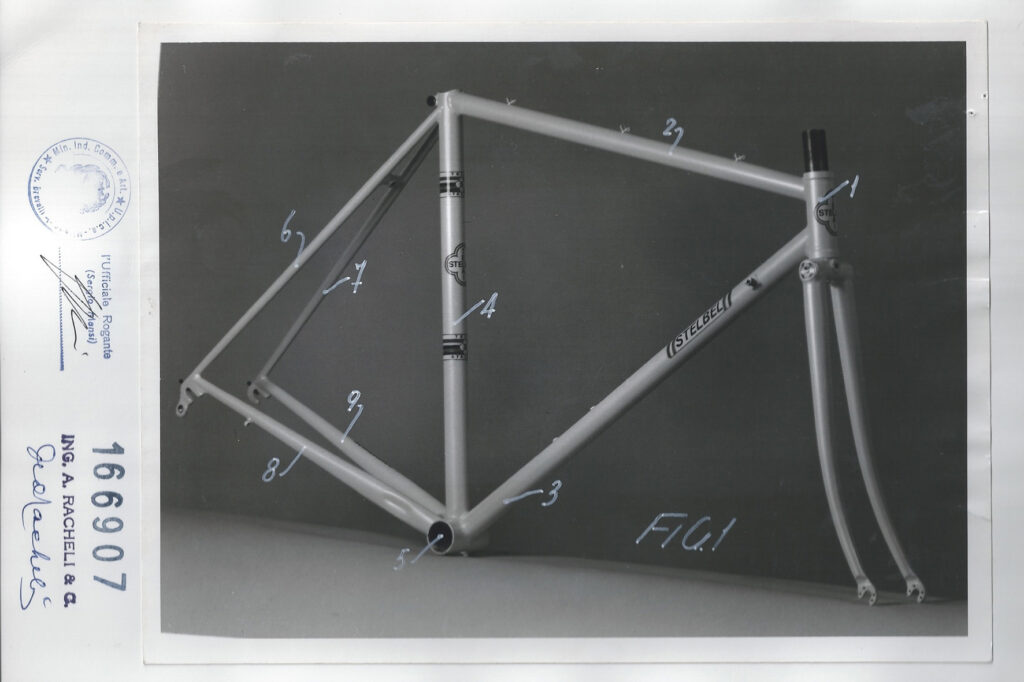
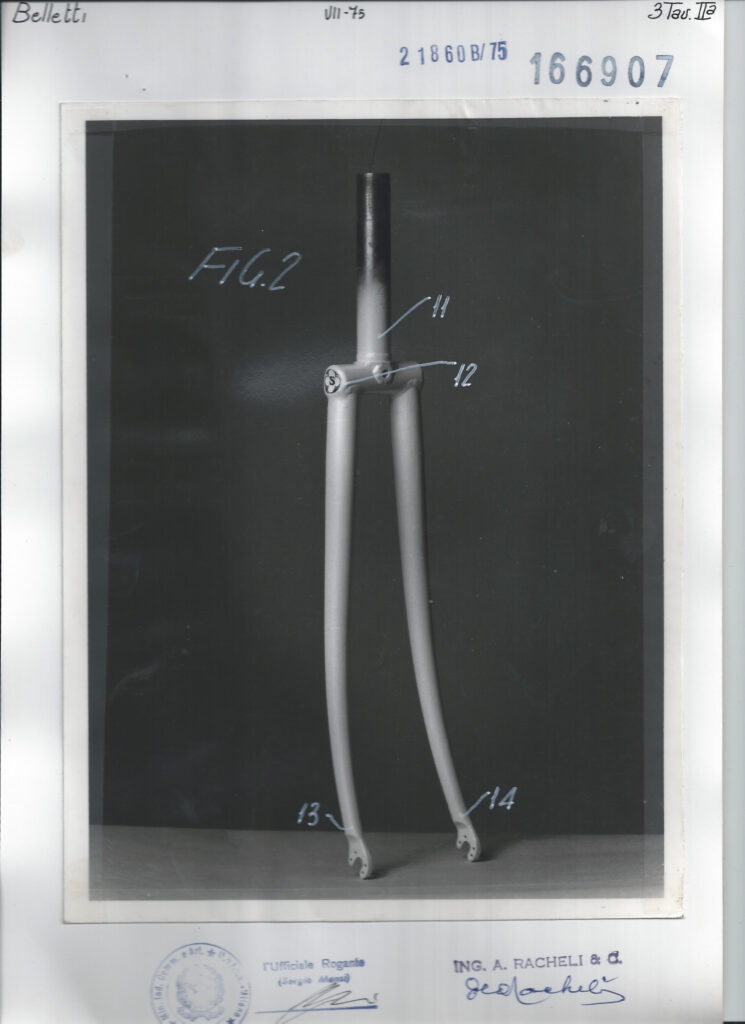
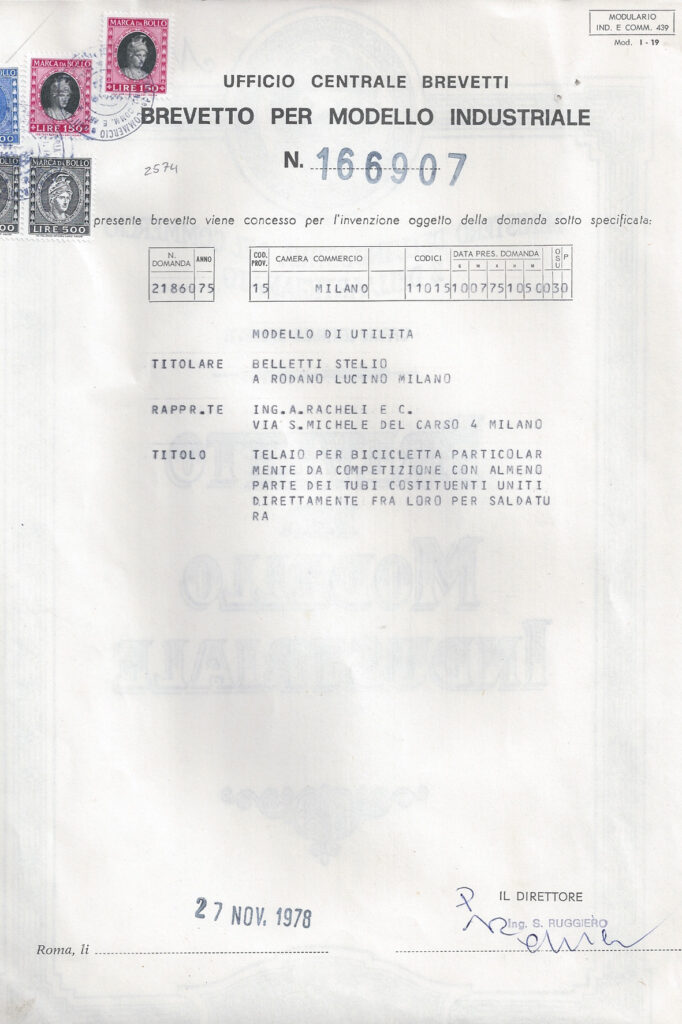
Industrial design patent—back in 1975, Stelio Belletti filed the Integrale frame model with the Milan Chamber of Commerce.
Alongside the frame came Stelbel’s first in-house built fork.
In 1975, the concept was patented. The frame, revised and refined into its final form, was named Integrale. With no lugs, the structure appeared monolithic. Its defining characteristics were formalized in a technical document filed with the Italian Patent and Trademark Office on July 10th of that year. Stelio’s intuition became an officially recognized method.
That same year brought the first major international success. The Polish national cycling team entrusted Stelio Belletti with the production of frames for both road races and the team time trial, and On August 27th, 1975, the Polish quartet won the 100 km team time trial. You can find our article on this incredible story here.
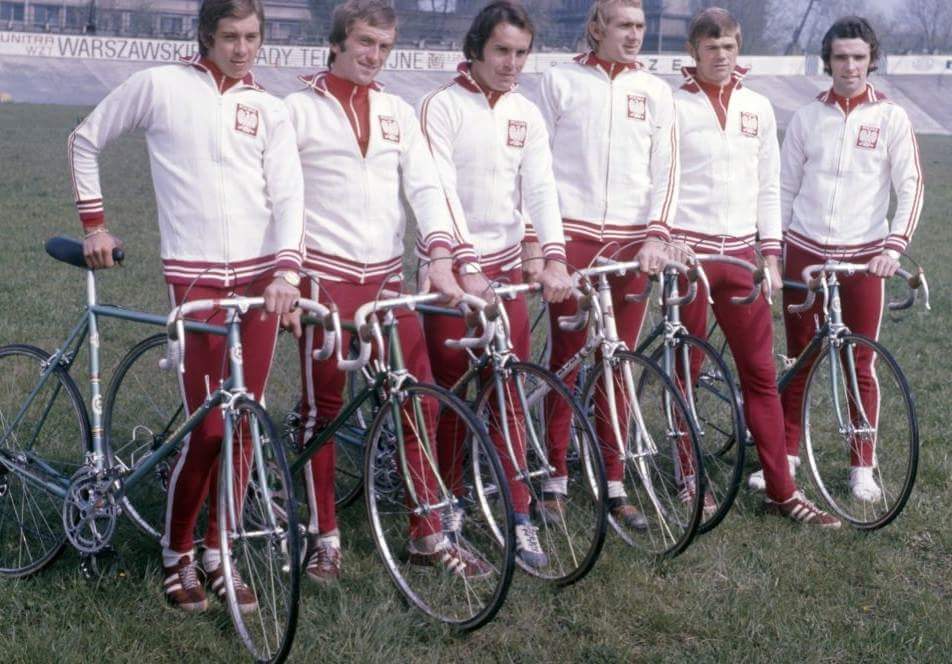
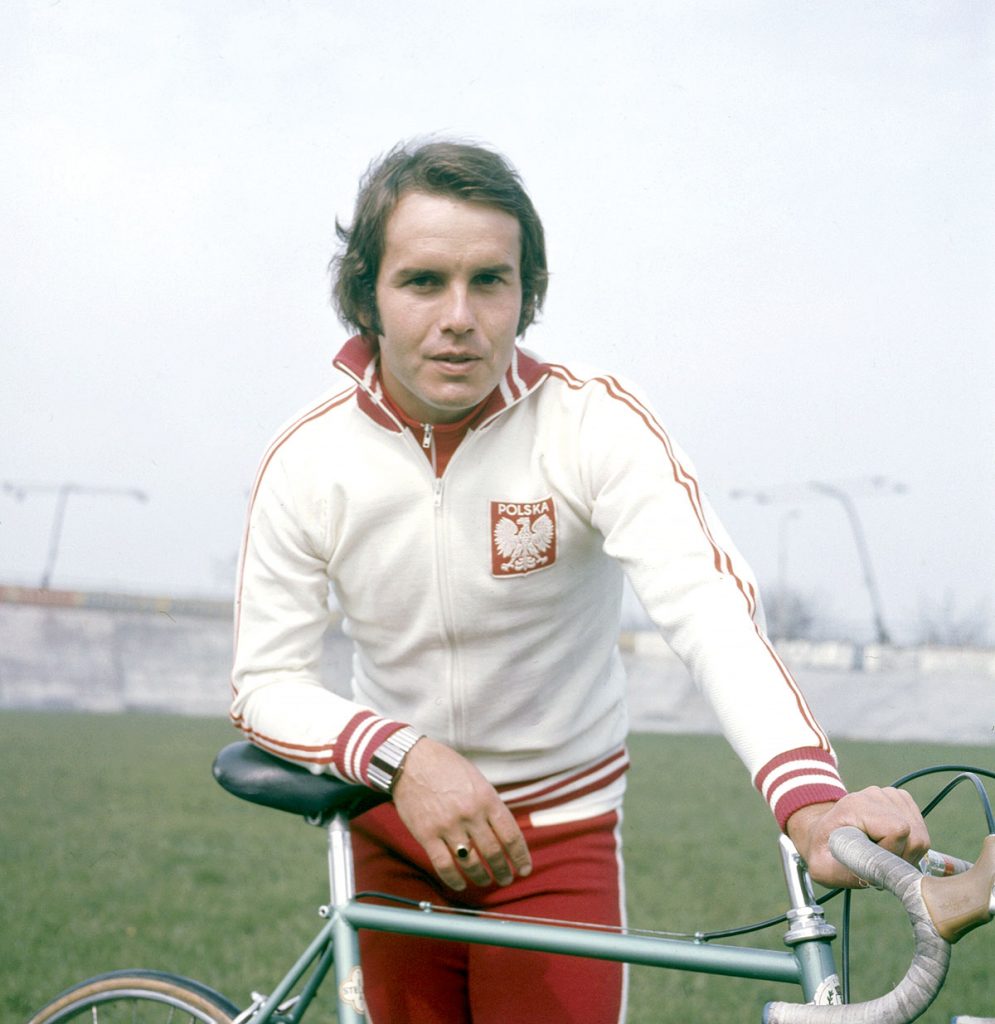
1975, Mieczysław Nowicki
That victory marked a turning point. Stelio decided to devote himself entirely to bicycle framebuilding, expanding and relocating the workshop to Rodano, just outside Milan.
In the years that followed, Stelbel grew without ever losing its experimental spirit. The workshop remained a place of testing, refinement and continuous improvement. Welds were perfected, self-built fork designs evolved, becoming one of the brand’s most distinctive technical and visual traits. Oversized tubing and construction solutions unconstrained by traditional lugs were introduced.
As early as 1977, vertical rear dropouts were adopted. Between the late 1970s and 1980s, the range expanded to cover nearly every cycling discipline, featuring unconventional solutions, oversized tubes and non-round profiles.
Numerous aerodynamic concepts were also explored, eventually leading to the Dynamic series, models that still captivate collectors and enthusiasts today.
Stelbel was also among the first to work with stainless steel, at a time when no suitable commercial tubing existed, commissioning custom-made tubes to its own specifications.
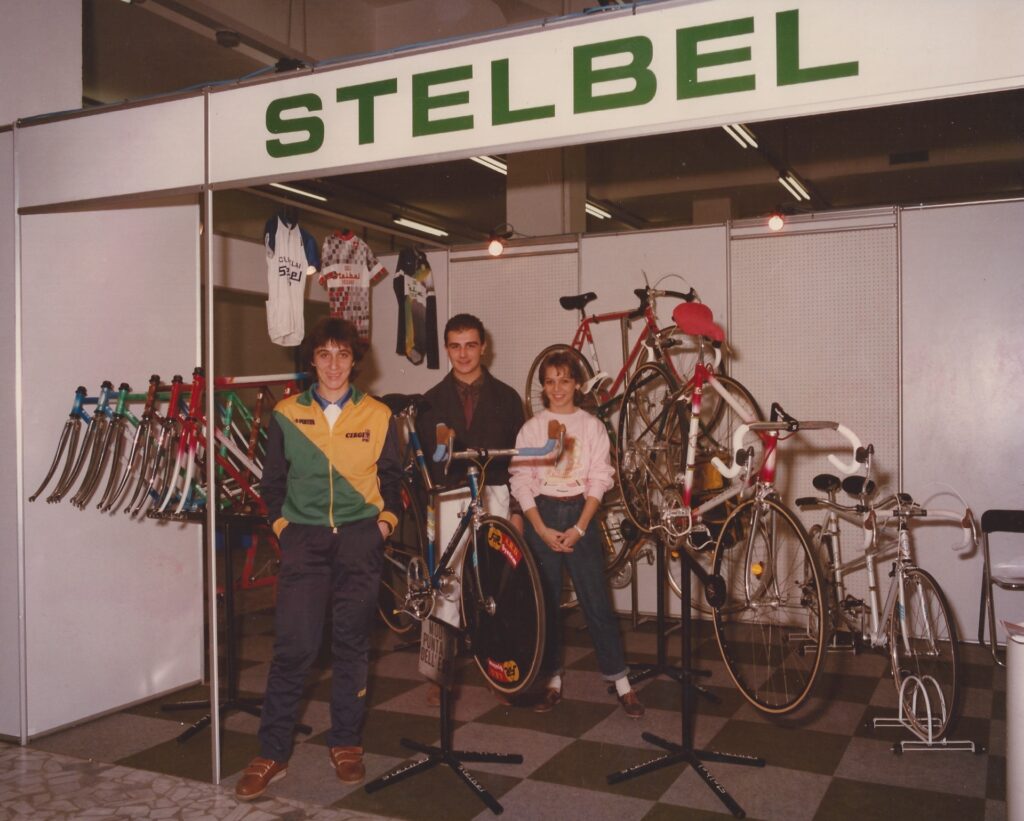
In 1985, the Punta dell’Est model became the symbol of Stelbel’s presence at the Milan Cycle Show. Meanwhile, major manufacturers began paying close attention to the TIG welding techniques Stelio Belletti had refined over time.
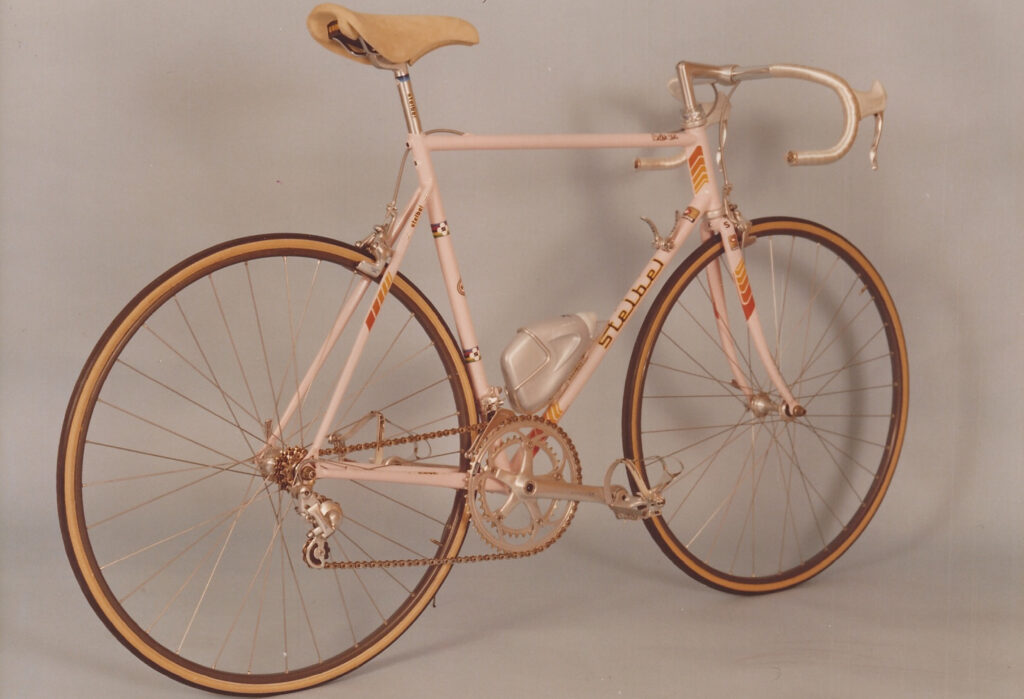
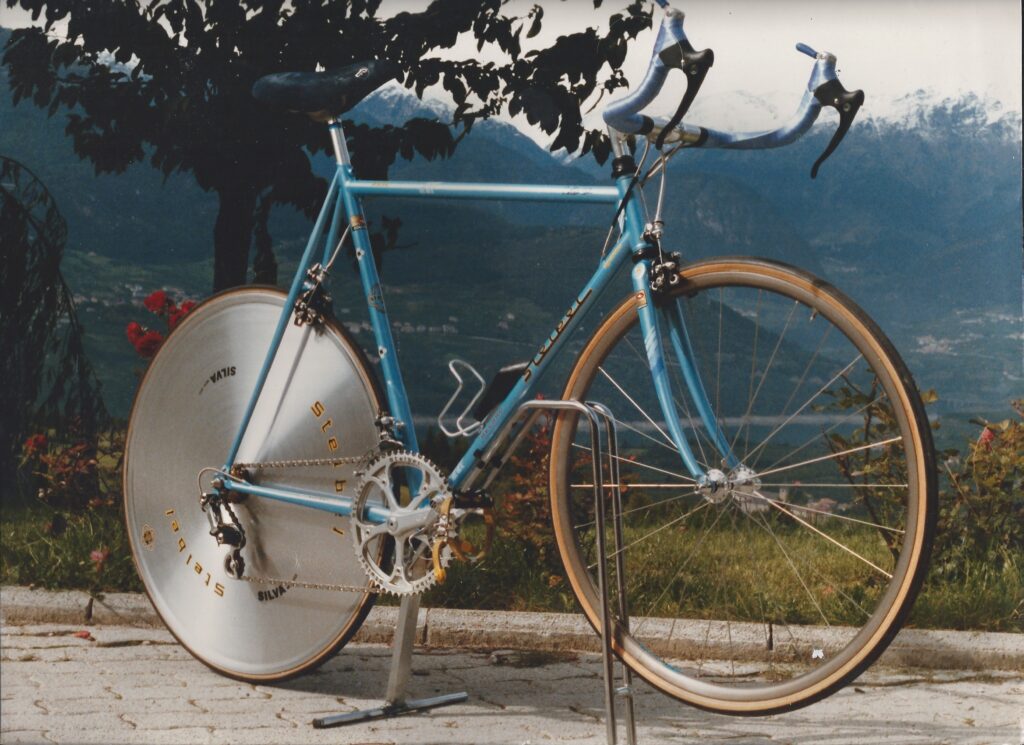
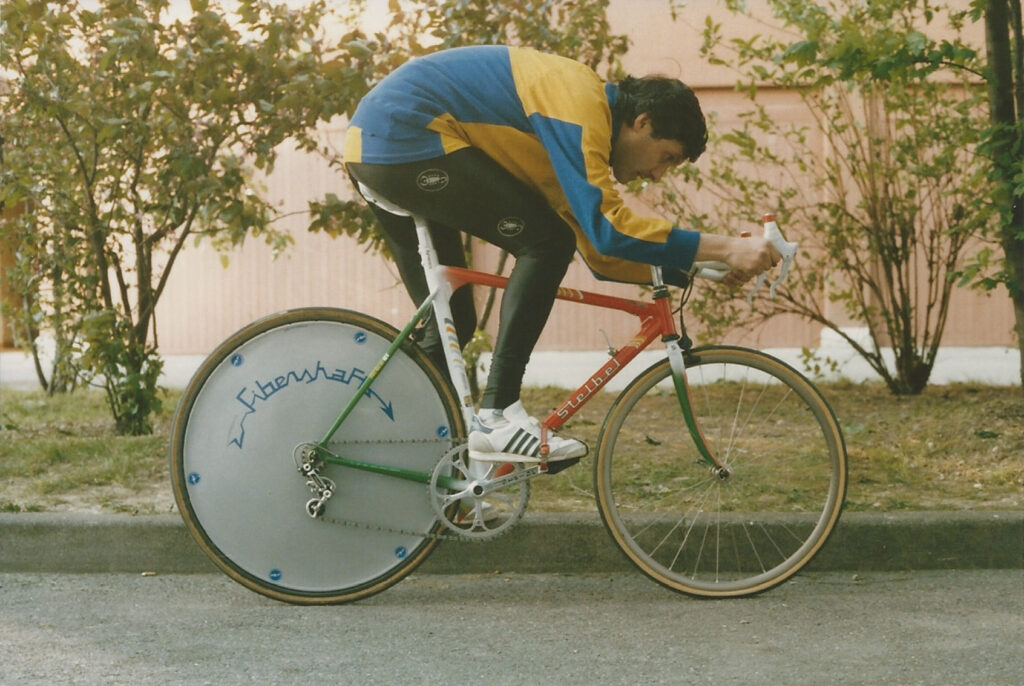
Stelbel Dynamic, the first aerodynamic model featuring internal routing for the gear cables.
More than a model, the Dynamic was a construction philosophy—an ongoing pursuit of aerodynamic efficiency. Shown here, a time trial version on the right and a variant with a 28″–24″ wheel configuration.
By the late 1980s, the company employed around eight people. Production reached its peak, aluminum experimentation began, the first mountain bikes were developed, and thanks to the friendship with Amelio Riva (Trecià), titanium was also explored.
In 1990, however, personal circumstances forced Stelio Belletti to abruptly halt the activity.
The name Stelbel fell into silence. A silence that would last more than twenty years.
In 2013, the first reflections on a possible return began. In September of that year, the foundations for the brand’s revival were laid, thanks to the friendship between Stelio Belletti and two passionate collectors of the brand, Andrea Cimò and Alessandro Caccia, who had founded Cicli Corsa the year before.
After approximately eighteen months of work, in March 2015 Stelbel officially returned to the market with a new range of frames, including historic models developed according to the original specifications of their creator. Particular care was taken to respect the founder’s guidelines and teachings, without compromising the brand’s identity or the ethical principles that had always defined it.
At relaunch, the range consisted of the classic Integrale frame, the modern steel SB/03, the Rodano model and the Nina, initially offered in a cyclocross configuration.
In the following years, the range expanded with the Antenore, a modern interpretation of the INOX stainless steel frame, and the Ti9 titanium model, completing a project conceived more than thirty years earlier.
Interest in gravel riding emerged as early as 2016, while disc brakes were quickly adopted on road models. From 2022 onwards, full cable integration was introduced, along with the first Stelbel designed proprietary carbon fork.
In April 2025, a new chapter began. Stelbel’s production was fully internalized, and with a significant investment, a new framebuilding workshop was opened in Bonate Sopra, just a few kilometers from Bergamo, home of Cicli Corsa Srl, which has managed the brand since 2015.
STELIO BELLETTI
Stelio Belletti was born in Mantova on November 19th, 1932.
His passion for bicycles emerged early, alongside a natural aptitude for mechanical design and structural engineering. Whether dealing with motor vehicles or human-powered machines, the approach remained the same: understand the structure, control the stresses, find balance.
In the 1950s, the family moved to Milan, and Stelio began working in the family workshop. Alongside his father Antenore, an exceptionally skilled mechanic and builder, he participated from a young age in high-level projects in aeronautics and motorcycle engineering. The Belletti fuselage for the Aviamilano P.19 Scricciolo was described as “a masterpiece of maneuverability” and remained a benchmark for flight training at the Italian Aero Club for over twenty years.
In 1967, father and son independently solved the structural issues of the Honda 500 GP, building a new frame in just sixteen days for world champion Mike Hailwood. Mounted on a Belletti frame, the motorcycle won its very first race, finishing ahead of Giacomo Agostini at the Mototemporada Romagnola in Rimini.
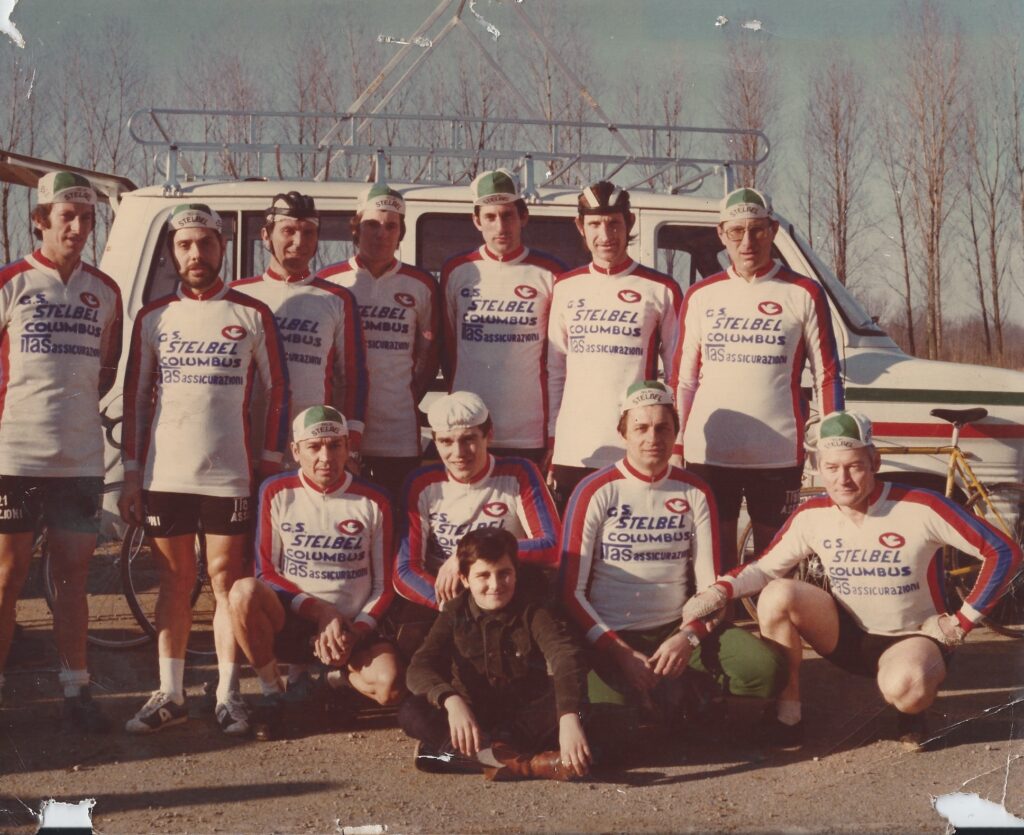
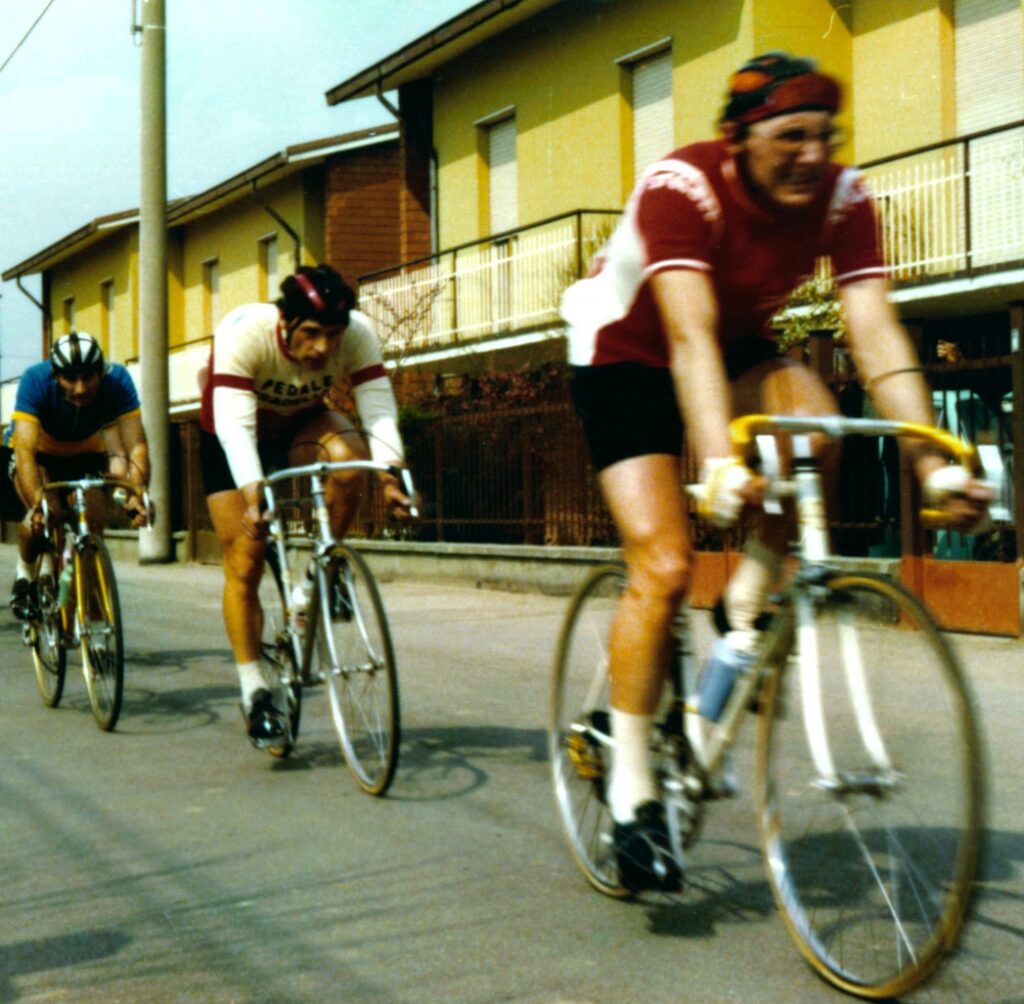
Stelio’s bond with cycling, however, was rooted first and foremost in riding. From the early 1960s, he took part in numerous amateur races, and from that moment on, he never stopped riding a bicycle.
The creation of the Stelbel brand allowed Stelio to channel all that passion into something that could be shared, bringing joy to many others.
Stelio Belletti was an authentic person, a tireless worker, and a fundamental guide. Without him, Stelbel would not be what it is today, nor could it have been reborn while preserving its identity.
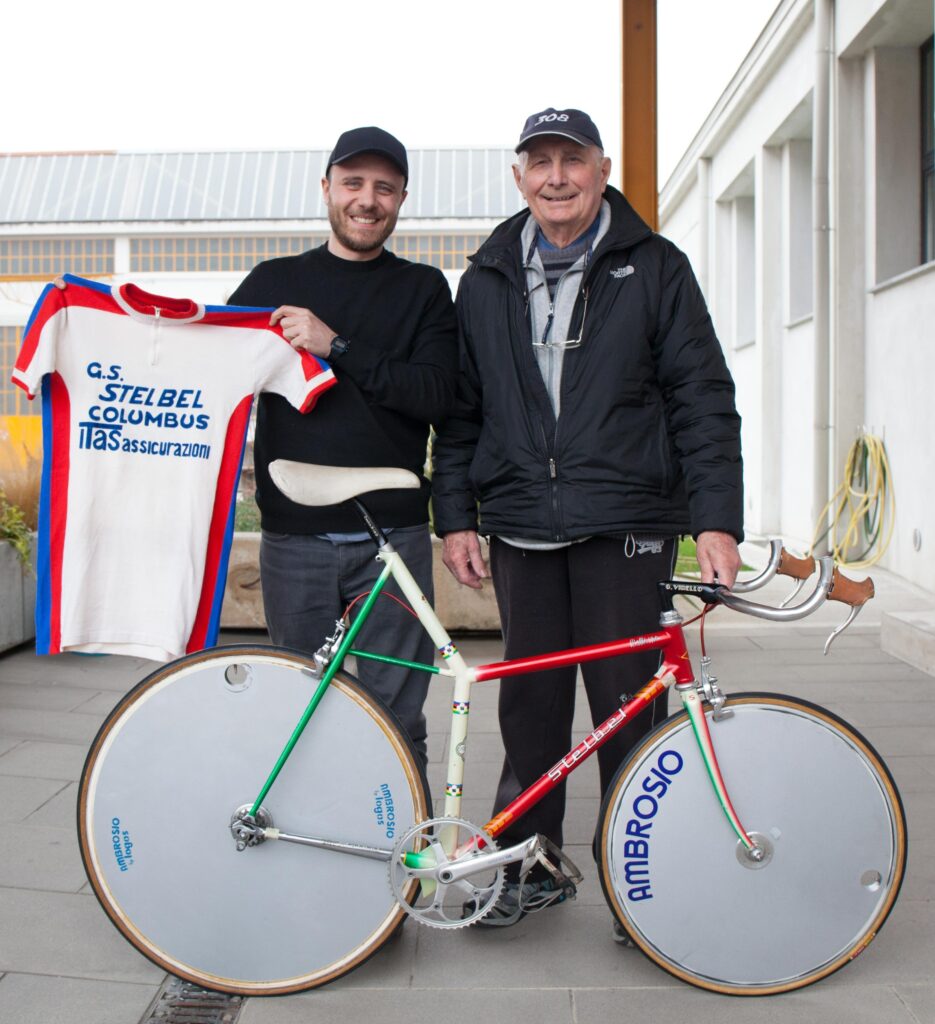
Stelio sadly passed away on October 5th, 2023. That morning, he had gone out for a bike ride.
A special thought also goes to Antenore Belletti, his father and mentor, a rare example of skill and dedication, and above all to his wife Lina, his lifelong companion, a great worker and a person with an immense heart and a wonderful smile.
THE TECHNIQUE
Steel is the material that defines Stelbel’s tradition. A living material, demanding knowledge and respect, yet offering extraordinary possibilities when worked with method and expertise.Stelbel has historically collaborated with Columbus Tubes for the supply of double- and triple-butted tubing and for the development of custom tubes, designed to meet the brand’s specific structural and aesthetic requirements. The alloys used, tube dimensions and wall thicknesses are the result of precise, choices.In more recent years, the same philosophy led to the introduction of titanium, culminating in the Ti9 project, conceived over thirty years ago and brought to completion in full respect of the original idea.TIG welding remains the common thread of classic Stelbel production. Techniques, details and aesthetics from the past have been preserved, alongside modern machinery and quality control tools that ensure precision and consistency.Each frame is manually finished through extensive filing work, preserving the essential and recognizable appearance that has always characterized Stelbel frames. Building one frame at a time allows the necessary time to create a product of real value, designed first and foremost for the cyclist who will ride it.Attention to detail is also expressed through the decision to design and manufacture, to our own specifications, much of the small hardware required to complete each project. A rare approach in the artisanal field, enriching every frame with technical solutions developed to enhance the riding experience and clearly differentiate Stelbel from competitors.This mindset has also led to the adoption of innovative metal 3D printing technologies and to the design of the Stelbel Evoluzione carbon fork, developed with characteristics specifically intended to seamlessly complement our road frames.


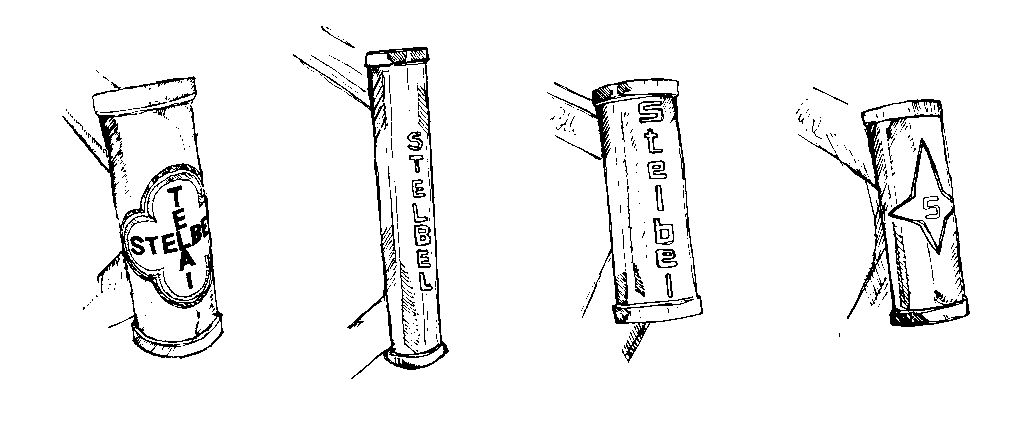
Headtube engraving
Often the most obvious method for recognising an original Stelbel is the iconic engraving on the headtube, with the brand’s classic font arranged vertically. This detail, however, was introduced as we know it only in 1978, so all frames built between 1973 and 1977 will not feature it. There are also models that Stelbel built in 1978 that do not featured the engraved headtube. In these cases, the “cloverleaf” logo was almost always applied.Between 1977 and 1979 there are also some examples of prototype engravings, on which the characters differ slightly. By 1980, the style became definitive and is still visible today on our models.There is also a rarer style of engraving detail found on some Stelbel frames that was introduced along with the model Punta dell’Est in 1983. It’s a four-pointed star within the letter “S” at the centre. This design was used between 1983 and 1987, almost always on time trial bikes.
Rear dropouts
Stelio Belletti has always attached great importance to the design of his rear dropouts. The evolution of this particular part of the frame has always been of interest to us, and over the years, unique solutions have been created that were forward-thinking for the time, and often miles ahead of the competition.
Integrale Dropout
Another unique Stelbel design, this dropout has characterised the Integrale frame since its introduction in 1973, and with the next official patent in 1975. It is a classic Campagnolo dropout, shaped and modified to be welded onto the rear stays.On certain models from the period, this design also introduced the principle of the self-centring dropout, which did not allow for the adjustment of the wheel axle. This result was obtained by profoundly changing the length of the dropout itself, thereby reducing the possible stroke. This dropout design is still used for the construction of our 40th anniversary Integrale model, but today we use the more common version which allows for wheel adjustment.
Campagnolo 1010 Dropout
Without doubt the most common dropout for racing frames in the 70s and 80s, this is the model that was modified by Stelio Belletti for use on the Integrale. Featured on Strada and Strada Super models since 1979, this is still used on our modern Super Strada range today, though no longer provided by Campagnolo.
Shimano SFR Dropout
Stelio Belletti is also remembered for being among the first manufacturers to use vertical dropouts. The first examples are traced back to 1977 with the introduction of the Shimano SFR. Frames with this type of dropout are especially rare because of little demand from customers at the time, who mostly preferred dropouts that would provide for the adjustment of the the wheel’s position.
SunTour Dropout
A vertical dropout, the SunTour SDB-EF120 was often used for our Dynamic models, as well as Cronotime and Cronosquadra frames between 1983 – 84.
Track Dropout
For Stelbel track frames built in the 70s, Campagnolo Pista dropouts were almost always used, while from the 80s it was also common to use Gipiemme track dropouts.
INOX Dropout
For Stelbel’s earliest stainless steel frames, the ubiquitous Campagnolo 1010 dropout was used. Before long, however, Stelio Belletti developed his own design for a dropout in stainless steel, and began using it in 1986. These dropouts were made from a thick piece of metal that was laser cut to shape, and upon which the “S” was branded in a style resembling a lightening bolt.

Evolution of the brand’s logo and decals
Stelbel’s graphics and branding have always been as innovative and exciting as our frame technology, and our bikes have always stood out from the rest of the crowd. The classic logo design originally introduced in 1978, and hasn’t been changed much to this day, but there are variants used in construction prior to that year.In the early days of Stelbel, decals weren’t available and all branding was simply painted onto the frame with the aid of masking. That changed in 1974, when the first official series of Stelbel decals, adorned the early Integrale models.The Stelbel script on the downtube was in block and inserted inside a white rectangle with rounded edges at the ends with the Italian tricolour. On the head tube, and sometimes on the seat tube, early versions of the “clover” logo sometimes featured. On it, the words “Stelbel” and “Frames”, crossed each other through the centre, sharing their respective central letters, “L”.
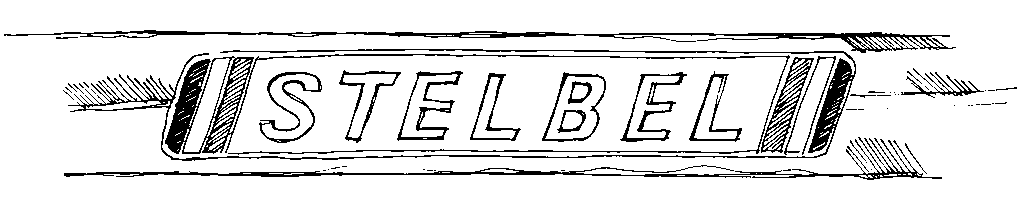
In 1976, the second version of the logo was introduced. The design is very similar to the present one, and it anticipated the final move to merged letters. In most cases this logo was used in black, with the outline done in gold.

Towards the end of 1978, the logo we know today was introduced. In most cases, this logo is done in yellow with a black outline, or white with a black outline. In the ’80s, several new different colour combinations were introduced, although the yellow and white variants remain the most famous.The introduction of the Dynamic models in the early 80s added some more graphic elements, dedicated especially for that series of frames.